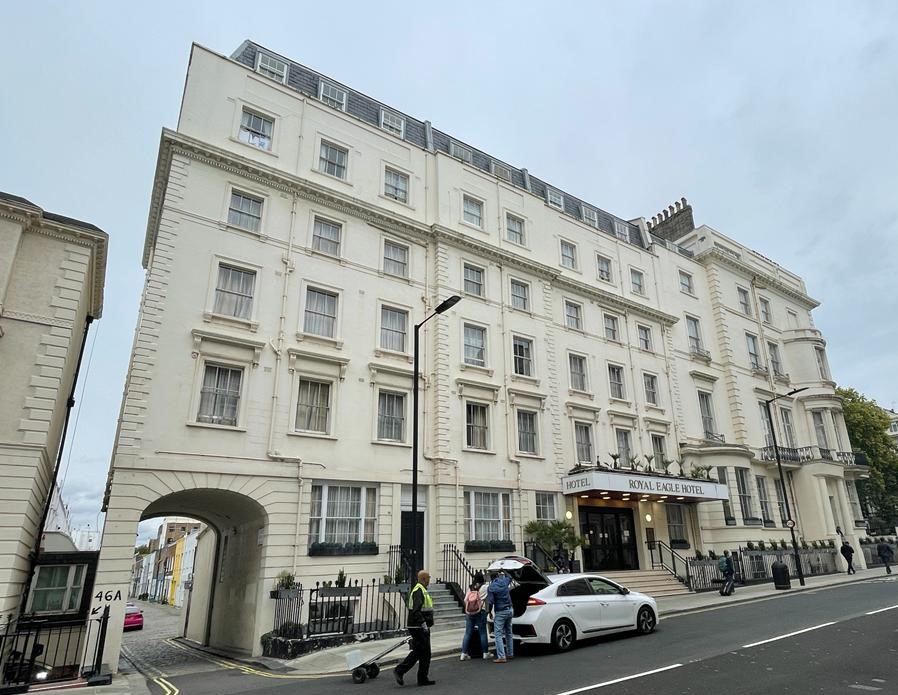
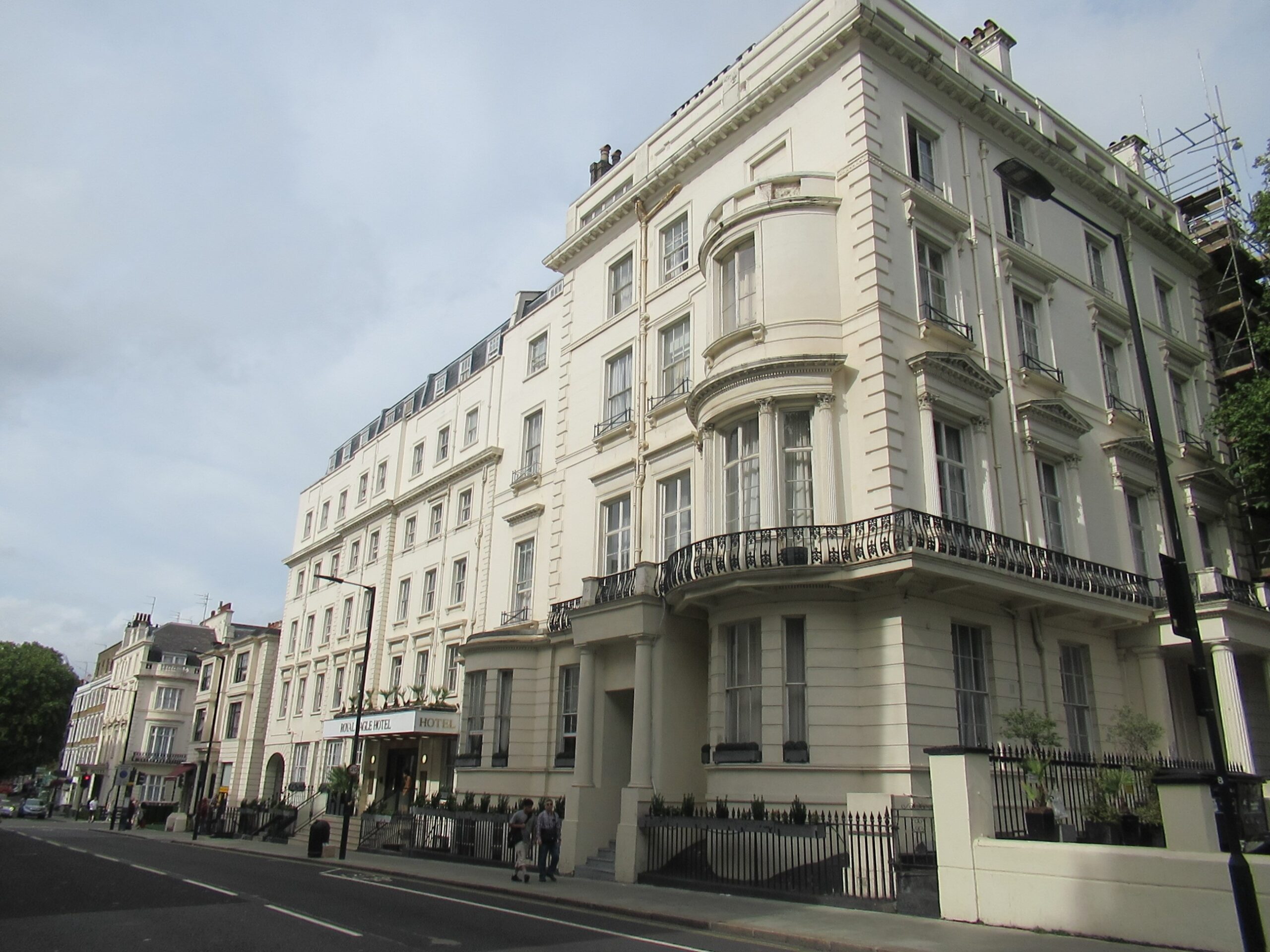
An old and tired hotel resting in the centre of London was in much needed reconstructive surgery to its face. Its welcoming days have faded away as numerous defects were now well visible and felt by its disenchanted guests.
Situated within the Bayswater Conservation Area, Westminster, the building is a Grade II listed structure of four storeys, basement and attic. The main body dates from the 1850's, while the corner dates from 1840's. Their elaborate and elegant detailed design reflects the Italianate style of the later Regency and early Victorian periods in all its splendour, making it one of the most distinctive townscapes in London. They also represent the first set of buildings in Westbourne area built by William Kingdom, a well‐known property developer active in west London at the time; as well as part of the most important project designed by the architect Thomas Marsh Nelson.
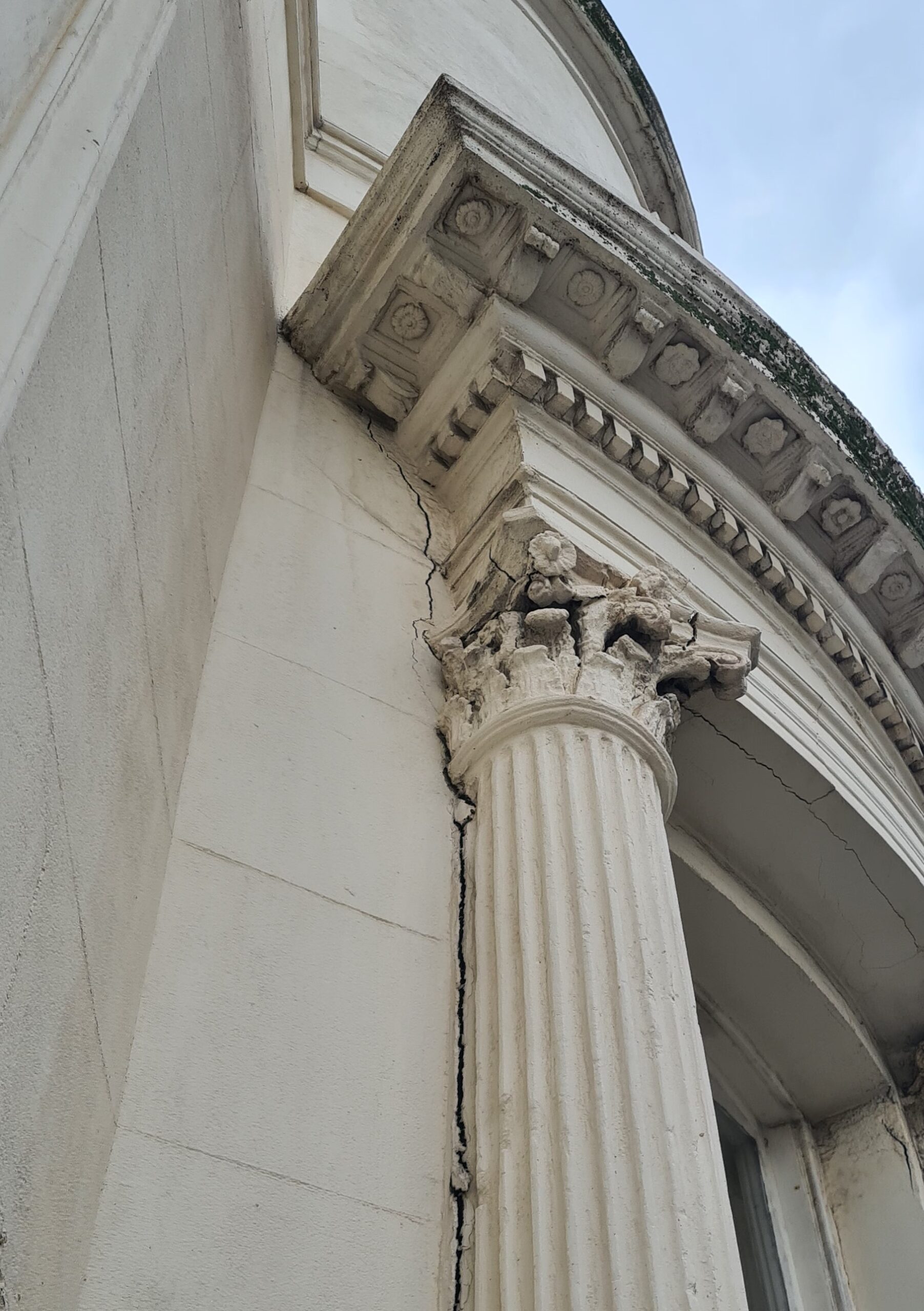
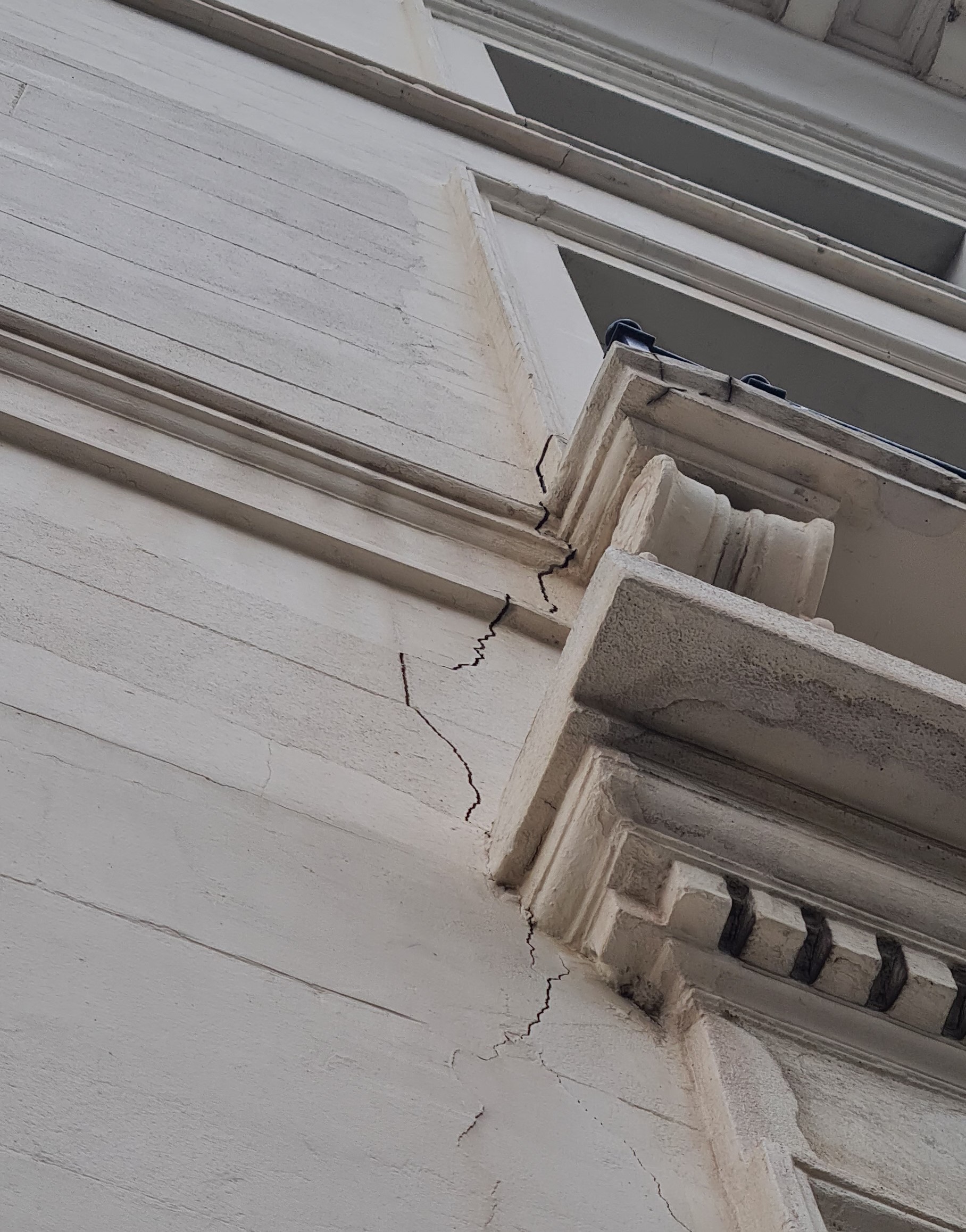
Several defects of different nature were present on the buildings. They were found on the masonry, woodwork, metalwork and waterproofing. A considerable number of cracks at different levels were affecting the stucco architraves, pediments, columns, cornices and parapets. Some with structural implications triggered by subsidence or detachment from the main structure due to the corrosion of the wrought iron tie bars. The windows in general needed an overall update as most were severely weathered, with some found wet rotten at the bottom. The first floor enclosing cast iron balcony needed major repair with large sections of the top panels beneath the handrail clearly chipping away. The balconies presented cracks at various locations with sagging of the structure in two main places, allowing water to pond or ingress.
JaM was appointed as Project Architects to lead the conservation works and deal with the planning process. The job also encompassed conducting several condition surveys, recommending non-invasive investigative procedures, producing technical information for construction such as detailed repair methodologies and specifications, coordinating and integrating the diverse work of the design team and inspecting the workmanship on site. Working closely with the Project Manager, Quantity Surveyor and Structural Engineer, JaM also advised and assisted with refurbishment schedules, work plan strategies, contract particulars and specialist subcontractor recommendations and appointments.
The overall repair and redecoration project has finished with the hotel having now a bright, sharp, well‐deserved facelift. The elevations are the most dominant and important historical features of a building; therefore, the retention of their original elements was vital.